Experts Deliberate on WTO Fisheries Subsidies Pact, Implementation Challenges and Ongoing Negotiations

The webinar highlighted the importance of reliable fisheries data, strengthened monitoring and reporting systems, institutional coordination and adequate technical capacity for effective implementation of the AFS. The need for continued capacity building and technical assistance for developing and least-developed Members, including through available WTO mechanisms, was also discussed.
The AFS, adopted at the WTO’s Twelfth Ministerial Conference in 2022, establishes disciplines on certain harmful fisheries subsidies, including subsidies linked to illegal, unreported and unregulated (IUU) fishing, fishing of overfished stocks, subject to specified rebuilding conditions, and fishing on the unregulated high seas. The Agreement also provides for notification and transparency obligations and requires Members that have accepted the Agreement to put in place measures for its implementation and administration, including steps to give effect to its substantive disciplines and comply with notification requirements.
The discussions covered implementation challenges, notification and transparency requirements, special and differential treatment (S&DT), domestic institutional preparedness, small-scale fisheries and ongoing negotiations on additional disciplines concerning overcapacity and overfishing.
The expert panel comprised Ms. Alice Tipping, Director, Trade and Sustainable Development, International Institute for Sustainable Development (IISD), Geneva; Mr. Tristan Irschlinger, Senior Policy Advisor, IISD, Geneva; Prof. Mukesh Bhatnagar, Former Professor, Centre for WTO Studies (CWTOS); and Mr. Sebastian Mathew, Small-scale Fisheries Advisor. The session was moderated by Prof. James J. Nedumpara, Professor and Head, CTIL, and Head-in-Charge, CWTOS. Ms. Priyansha Hajela, Consultant (Legal), CTIL, delivered the opening remarks.
The panellists discussed the substantive disciplines and implementation of the AFS, including notification and transparency requirements, domestic data systems, inter-agency coordination and the relevance of India’s legal and policy framework. The deliberations also covered the negotiating history and ongoing negotiations on overcapacity and overfishing, the role of the IISD self-assessment toolkit in identifying implementation and capacity-building needs, and livelihood, food security and developmental concerns of small-scale and artisanal fisheries. Issues relating to vessel registration, monitoring and IUU-related determinations were also discussed.
The programme concluded with an interactive question-and-answer session, during which participants engaged with the panellists on practical and legal aspects of implementing the AFS, including notification and transparency, IUU fishing, rebuilding of overfished stocks, S&DT and small-scale fisheries. The webinar highlighted the importance of continued dialogue and coordination among international organisations and fisheries stakeholders to strengthen domestic preparedness and support effective implementation of the WTO Agreement on Fisheries Subsidies. (PIB)
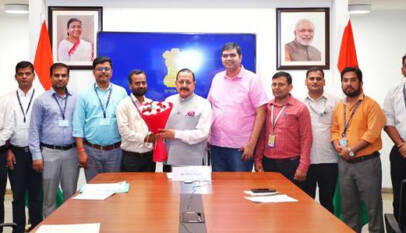


India Shares Experience in Digitisation and Modernisation of Land Records with Sri Lankan Delegation
23 SEP 2026 New Delhi :The Department of Land Resources (DoLR), Ministry of Rural Developm…
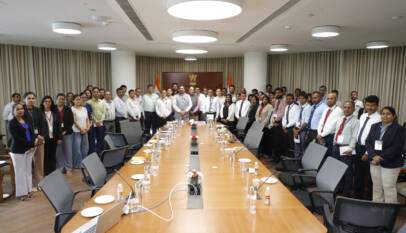
India Shares Experience in Digitisation and Modernisation of Land Records with Sri Lankan Delegation
23 SEP 2026 New Delhi :The Department of Land Resources (DoLR), Ministry of Rural …